%2Ffit-in%2F250x250%2Fguide_websites%2F120077%2Fimages%2F1772262332930494648484_122101802984855214_2315566898569348451_n.jpg&w=1920&q=100)
/users/534173af-dd8f-4da7-a41e-9745f1270b1f/ratecard/3-mm5uh1wf.jpg)
%2F300x300%2Fusers%2F534173af-dd8f-4da7-a41e-9745f1270b1f%2Fratecard%2F3-mm5uh1wf.jpg&w=256&q=75)
%2F300x300%2Fusers%2F534173af-dd8f-4da7-a41e-9745f1270b1f%2Fimages%2Fwalleye-catch-pembroke-ny-fishing-3011.jpg&w=256&q=75)
%2F300x300%2Fusers%2F534173af-dd8f-4da7-a41e-9745f1270b1f%2Fimages%2Fpembroke-ny-fishing-catch-display-2770.jpg&w=256&q=75)
%2F300x300%2Fusers%2F534173af-dd8f-4da7-a41e-9745f1270b1f%2Fimages%2Ffishing-catch-pembroke-ny-2685.jpg&w=256&q=75)
%2F300x300%2Fusers%2F534173af-dd8f-4da7-a41e-9745f1270b1f%2Fimages%2Fwalleye-catch-hanover-boat-launch-3085.jpg&w=256&q=75)
%2F300x300%2Fusers%2F534173af-dd8f-4da7-a41e-9745f1270b1f%2Fimages%2Fpembroke-ny-walleye-fishing-cooler-2747.jpg&w=256&q=75)
%2F300x300%2Fusers%2F534173af-dd8f-4da7-a41e-9745f1270b1f%2Fimages%2Fpembroke-ny-walleye-fishing-success-2842.jpg&w=256&q=75)
%2F300x300%2Fusers%2F534173af-dd8f-4da7-a41e-9745f1270b1f%2Fimages%2Fpembroke-walleye-fishing-catch-2687.jpg&w=256&q=75)
%2F300x300%2Fusers%2F534173af-dd8f-4da7-a41e-9745f1270b1f%2Fimages%2Fdouble-walleye-catch-pembroke-ny-2710.jpg&w=256&q=75)
%2F300x300%2Fusers%2F534173af-dd8f-4da7-a41e-9745f1270b1f%2Fimages%2Fpembroke-ny-walleye-double-2693.jpg&w=256&q=75)
%2F300x300%2Fusers%2F534173af-dd8f-4da7-a41e-9745f1270b1f%2Fimages%2Fpembroke-walleye-fishing-catch-2896.jpg&w=256&q=75)
5 Hour Lake Ontario Trout Charter Point Breeze NY
 Lake Ontario
What you will be catching:
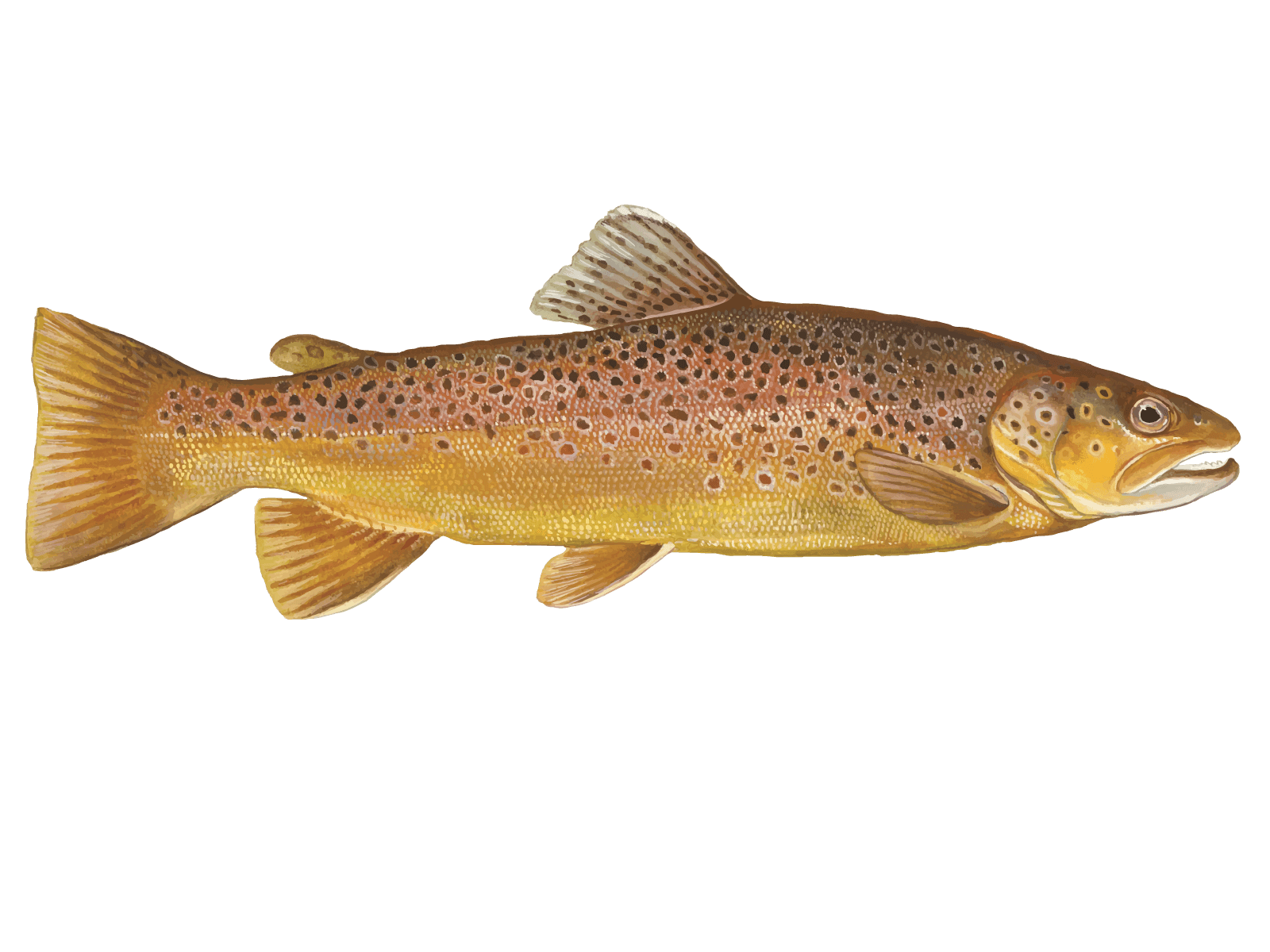
 Brown Trout
 Coho Salmon
 Lake Trout
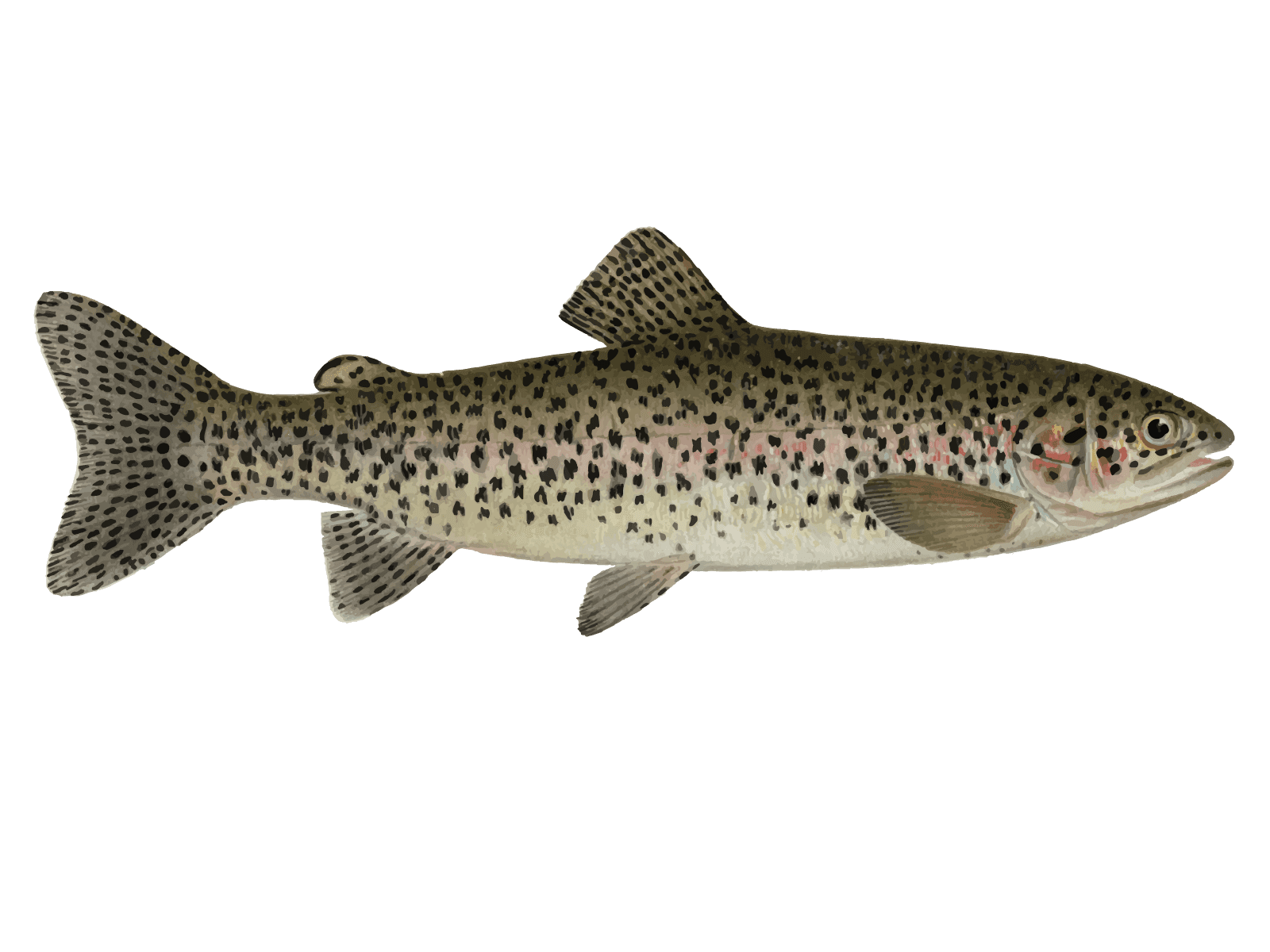
 Rainbow Trout
 Steelhead Trout
- This 6-hour Lake Ontario charter from Point Breeze gives you serious time on the water targeting salmon and trout. We'll troll the productive zones off Olcott, working different depths to find where the fish are holding. King salmon, coho, steelhead, browns, rainbows, and lake trout are all possibilities depending on the season. The boat handles up to 3 guests, so it's perfect for a small group that wants personalized attention. All gear is provided, and I'll walk you through the techniques whether you're new to trolling or have been doing this for years. The extended trip time means we can really dial in our presentation and hit multiple spots. Just bring your fishing license and we'll take care of the rest.
Trip Pricing and Availabilities:
6 Hour Lake Ontario Salmon Charter - Point Breeze
Lake Ontario off Point Breeze is where serious salmon fishing happens, and this 6-hour charter gives you the time you need to really work the water right. Running from April through October, Last Pass Sport Fishing knows exactly where the fish stack up depending on the season. You'll launch right from Point Breeze in Olcott, which puts you minutes away from some of the most productive trolling water on the lake. This isn't a rushed trip - with 6 hours on the water, there's plenty of time to dial in your presentation, move between spots, and give everyone in your group of up to 3 people a real shot at hooking into some quality fish.
What to Expect on the Water
Point Breeze sits perfectly positioned to access Lake Ontario's established salmon runs and thermal layers where trout stack up throughout the season. Your captain knows these waters like the back of their hand - from the spring staging areas where Chinooks gather before their spawning runs to the summer thermoclines where Lakers suspend in the cooler water. The extra time this charter provides means you're not constantly watching the clock. Instead, you can focus on learning the water, understanding why fish hold in certain spots, and actually enjoying the process. Whether you're bringing first-timers who need some coaching or you're an experienced angler looking to dial in new techniques, 6 hours gives everyone room to breathe and really get into the rhythm of Lake Ontario fishing.
Trolling Tactics & Gear Setup
Trolling is the name of the game out here, and it's all about covering water efficiently while presenting lures at the right depth and speed. Your captain will have the boat rigged with quality rods, reels, and all the terminal tackle you need - downriggers to get your offerings down to where the fish are holding, planer boards to spread your spread wide, and a selection of spoons, plugs, and flies that have been producing. The beauty of trolling Lake Ontario is reading the electronics and adjusting on the fly. Water temperature, bait schools, and structure all play into where you'll set your lines. With 6 hours to work with, there's time to experiment with different depths, change up lure colors, and really fine-tune your approach based on what the fish are telling you that day.
Top Catches This Season
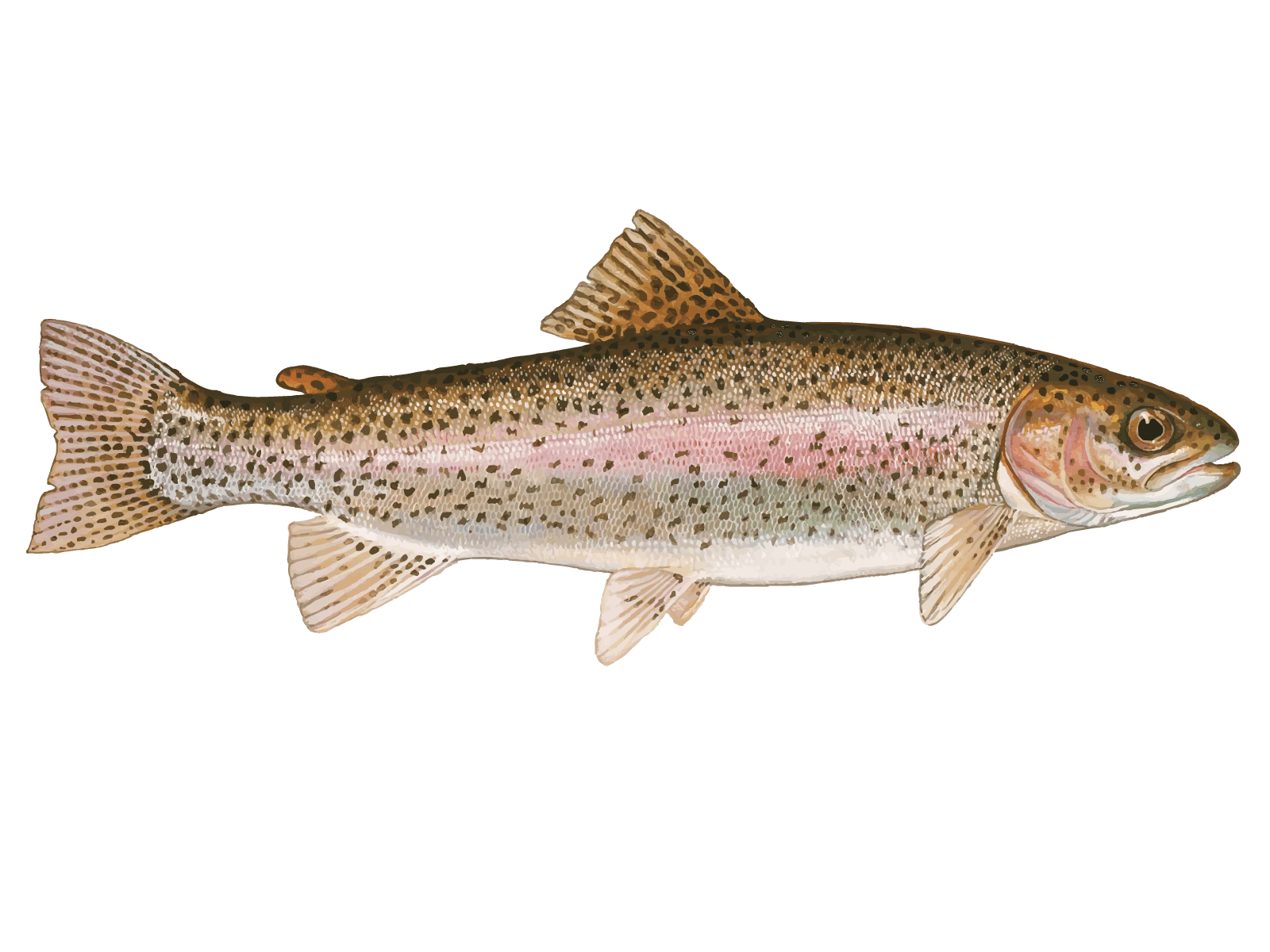
Rainbow Trout are absolute rockets when they hit your line, and Lake Ontario's bows are some of the healthiest you'll find anywhere. These fish feed heavily on alewives and smelt, putting on serious weight and developing that classic silver sides with the pink stripe. Early season and late fall tend to be prime time when they're feeding aggressively in shallower water. The fight is what gets people hooked - rainbows will jump, run, and test every bit of drag you've got set.
Coho Salmon bring a different kind of excitement to the boat. Known as silver salmon, these fish are built for speed and acrobatics. They typically run smaller than Chinooks but make up for it with pure energy. Cohos love to jump when hooked, often clearing the water multiple times during the fight. They show up in good numbers during late summer and early fall, and they're perfect for anglers who want consistent action without the marathon battles that big Kings can provide.
Steelhead Trout are the marathon runners of Lake Ontario, and hooking into a fresh chrome steelhead is something every angler should experience. These fish can push well over 10 pounds and will take you into your backing without hesitation. They're often the most challenging fish to land because they fight smart - using the current, making long powerful runs, and testing your patience. Spring and fall migrations bring the best opportunities, and these fish will remember you long after you release them.
Brown Trout are the sneaky predators that often surprise anglers with their size and fight. Lake Ontario browns can reach impressive sizes, and they're known for their wariness and selective feeding habits. These fish often prefer deeper water and cooler temperatures, making them a perfect target for downrigger presentations. Browns have a reputation for long, powerful runs and bulldogging fights that will test your equipment and technique.
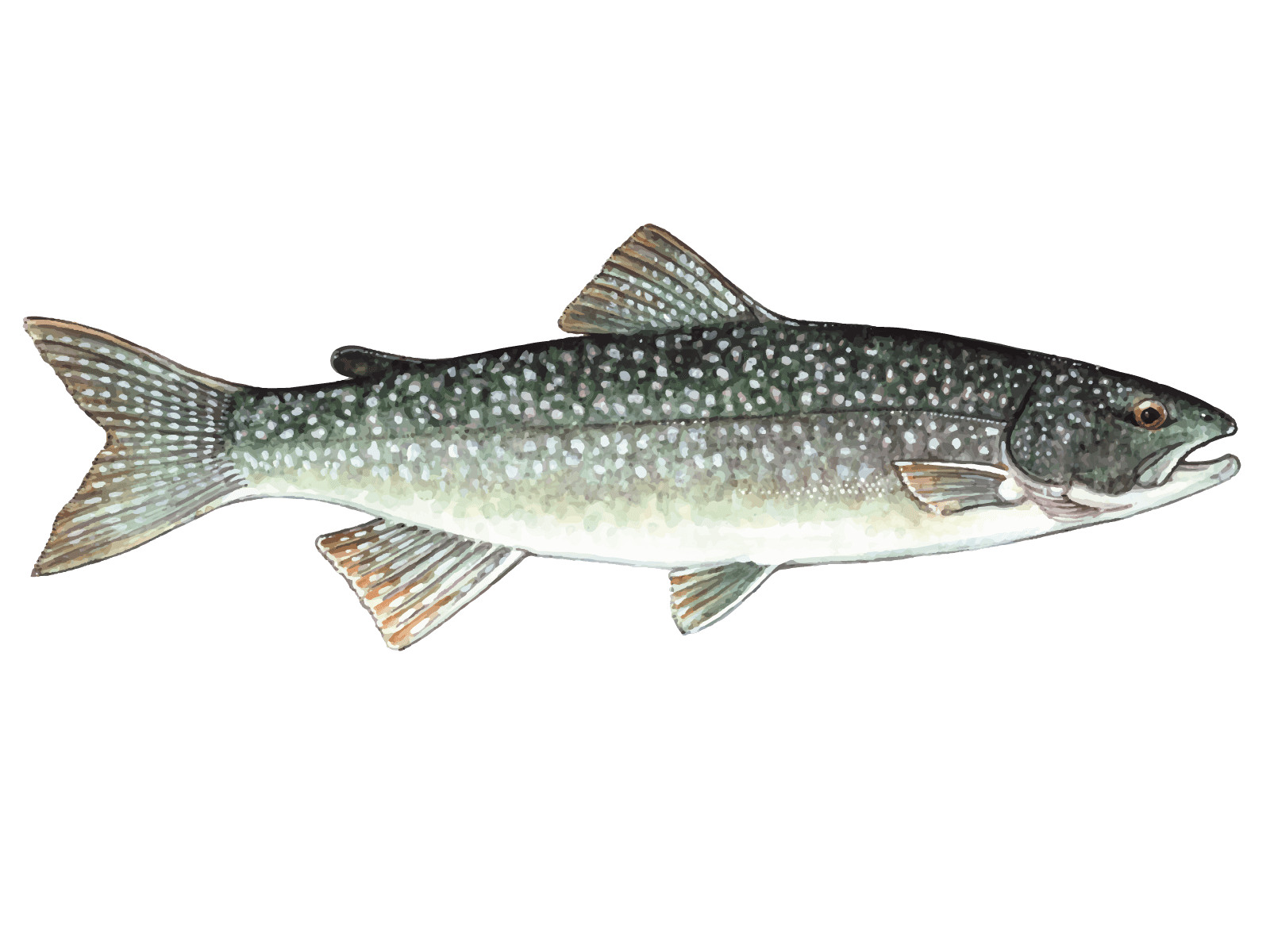
Lake Trout are the deep-water specialists that call Lake Ontario's coldest depths home. These native fish can live for decades and reach impressive sizes, with some specimens pushing 20 pounds or more. Lakers are typically found in deeper water, often 60 feet or more down, where they patrol for cisco, smelt, and other baitfish. While they might not jump like salmon, their steady, powerful pull and the depth they're caught at makes for a different but equally rewarding challenge.
Time to Book Your Spot
Six hours on Lake Ontario with an experienced local guide is time well spent, whether you're looking to learn new techniques, introduce friends to Great Lakes fishing, or simply enjoy some of the best salmon and trout fishing the region has to offer. Point Breeze provides excellent access to productive water, and the April through October season means you can target different species as they move through their annual cycles. All gear is provided, so you just need to bring your fishing license and be ready to learn. This charter gives you the time to truly experience what Lake Ontario fishing is all about - book your dates now and get ready for some world-class action on one of the Great Lakes' premier fisheries.
Learn more about the species
Brown Trout
Brown trout are the smartest fish in Lake Ontario - they're cautious, selective, and known for testing your skills. These golden-brown beauties with black spots typically run 8-24 inches and 1-9 pounds, though they can grow much larger in our waters. Browns prefer cooler temps around 54-65°F and often hunt at night, making early morning and late evening prime times. They love structure like rocky areas, drop-offs, and anywhere they can ambush prey. Fall brings some of the best action as they feed aggressively before winter. The fight is strong but calculated, and the meat is firm with a mild, sweet flavor. Browns are wary of bright conditions, so overcast days often produce better. My advice: slow down your presentation and fish deeper than you think - these fish rarely chase fast-moving lures.
Coho Salmon
Coho salmon, also called silvers, are some of the most acrobatic fish in Lake Ontario. They average 12-30 inches and typically weigh 8-12 pounds, with dark blue-green backs and bright silver sides. These fish can jump up to 6 feet vertically, so expect a real show when you hook one. Cohos prefer the open water during summer, moving to different depths as water temps change. Spring and fall fishing tends to be most productive when they're actively feeding. The bright orange-red meat is outstanding table fare and well worth the fight. For cohos, bright lures work best - chartreuse, pink, and fuchsia spoons or plugs really get their attention. My local tip: when a coho jumps, bow to the fish by dropping your rod tip to keep from breaking them off.
Lake Trout
Lake trout are the heavyweights of our charter trips, often running 15-40 pounds and reaching 24-36 inches. These grey-green giants with cream-colored spots live in the deep, cold water of Lake Ontario, usually suspended over open basins at significant depths. Spring right after ice-out and fall are prime seasons when they move shallower, but summer means deep water trolling. Lakers are powerful fighters that use their weight and the deep water to their advantage - expect long, bulldogging runs. The meat is rich and oily, perfect for smoking. These fish prefer low-light conditions, so overcast days are ideal. Since they live deep, jigging with heavy spoons or trolling with downriggers is essential. Local tip: when you hook a laker, take your time - they tire quickly in the warmer surface water, so a steady, patient fight usually wins.
Rainbow Trout
Rainbow trout in Lake Ontario typically run 12-24 inches and average 2-8 pounds, with their signature pink stripe and black-spotted backs making them easy to identify. These fish prefer cooler water temps between 55-64°F, so we find them in deeper water during summer months and closer to the surface in spring and fall. They're active fighters that'll jump and run hard when hooked, making them a favorite for both new and experienced anglers. The meat has a mild, slightly nutty flavor that's excellent eating. When trolling for rainbows, I like to run spoons and plugs at varying depths since they can be anywhere in the water column - the key is staying patient and adjusting your presentation until you find where they're feeding that day.
Steelhead Trout
Steelhead are basically rainbow trout that have spent time in the big water, making them larger and stronger fighters. These silver bullets typically run 24 inches but can reach 45 inches, with some pushing 55 pounds in rare cases. They're streamlined and muscular from their Great Lakes lifestyle, preferring deeper, cooler water during summer months. Fall through spring offers the best action as they become more active. What makes steelhead special is their powerful runs and stubborn fighting style - they'll test your drag and your patience. The meat is excellent eating with a firm texture. These fish like structure, so we target areas with boulders, drop-offs, and current breaks. Pro tip: when fighting a steelhead, let them run and tire themselves out rather than trying to horse them in.